
Commercial solar saves the most when you use the power yourself. But most systems export some electricity, especially at weekends and in summer. The Smart Export Guarantee (SEG) is how you get paid for it. This guide explains how SEG works for businesses, what affects the rate you get, and why self-consumption still matters most.
What is the Smart Export Guarantee?
SEG is a government-backed scheme, administered by Ofgem, that requires larger electricity suppliers to offer a tariff for electricity exported to the grid by small-scale generators. It covers solar PV and other technologies with a total installed capacity of up to 5 MW, so most commercial rooftop systems are eligible. You can find the official rules in Ofgem’s SEG guidance.
Who sets the rate?
Suppliers set their own SEG tariffs, and they must always pay more than zero. Rates vary a lot between suppliers and between fixed and time-of-use tariffs, and you do not have to take your export tariff from the company that supplies your electricity. It is worth shopping around.
What you need to claim SEG
- An export meter. Payments are based on metered exports, so you need a meter that records them, usually a smart or half-hourly meter.
- Certification for smaller systems. Ofgem’s guidance requires solar systems up to 50 kW, and their installers, to be MCS certified or equivalent. Larger systems up to 5 MW have different requirements, so check with your installer and supplier.
- A grid connection agreement. Your network operator, Electricity North West across most of the North West, has to approve the connection and any export limit.
Why self-consumption still matters more
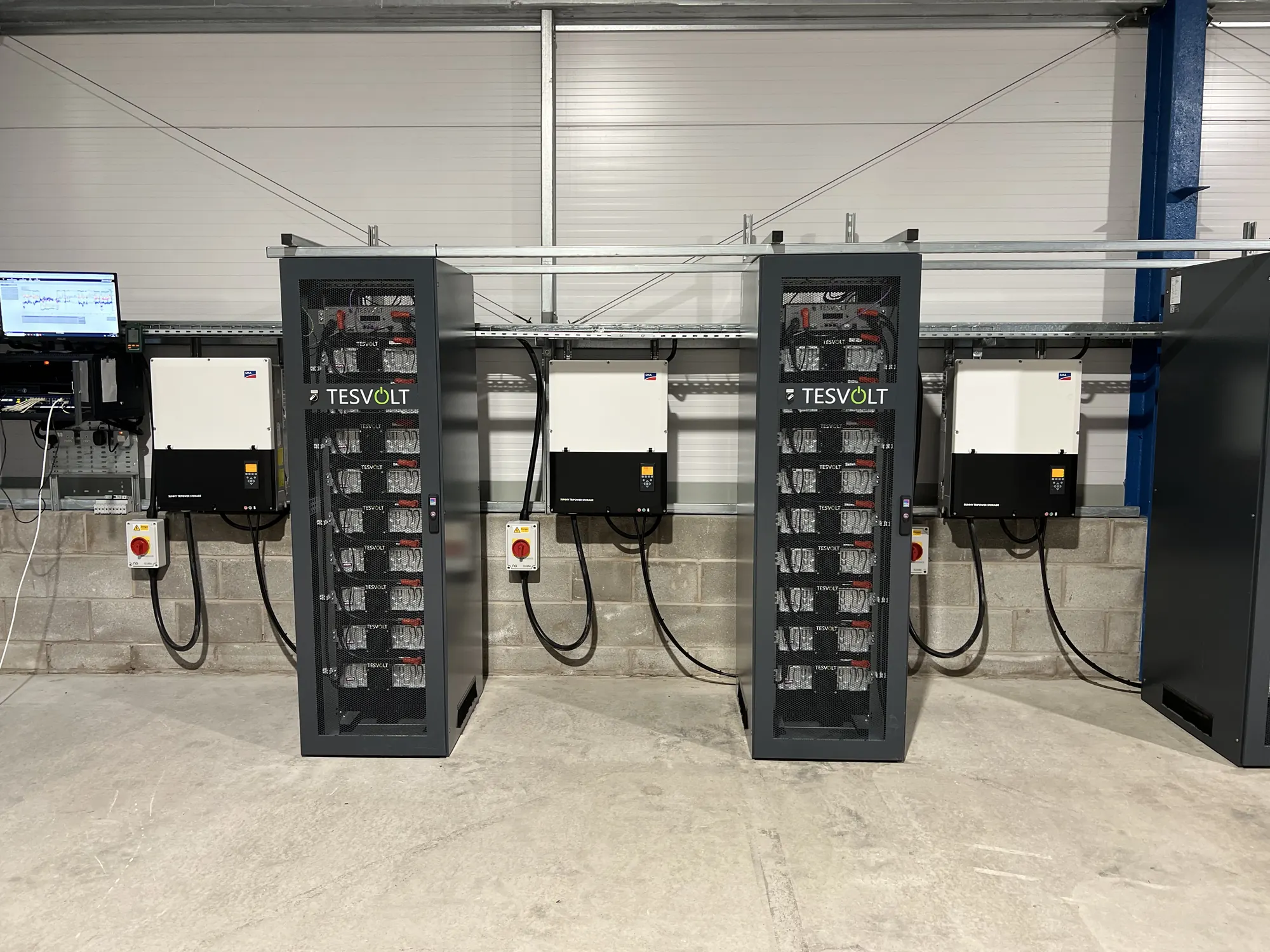
Exported power usually earns far less than the price you pay to import electricity. So every unit you use on site is worth several times what the same unit earns when exported. That is why we size systems around how your building uses power, and why battery storage can pay: it stores daytime surplus for use later instead of exporting it cheaply.
Our solar savings calculator shows how much of your solar you are likely to use on site, and how much you would export, from your roof area and electricity use.
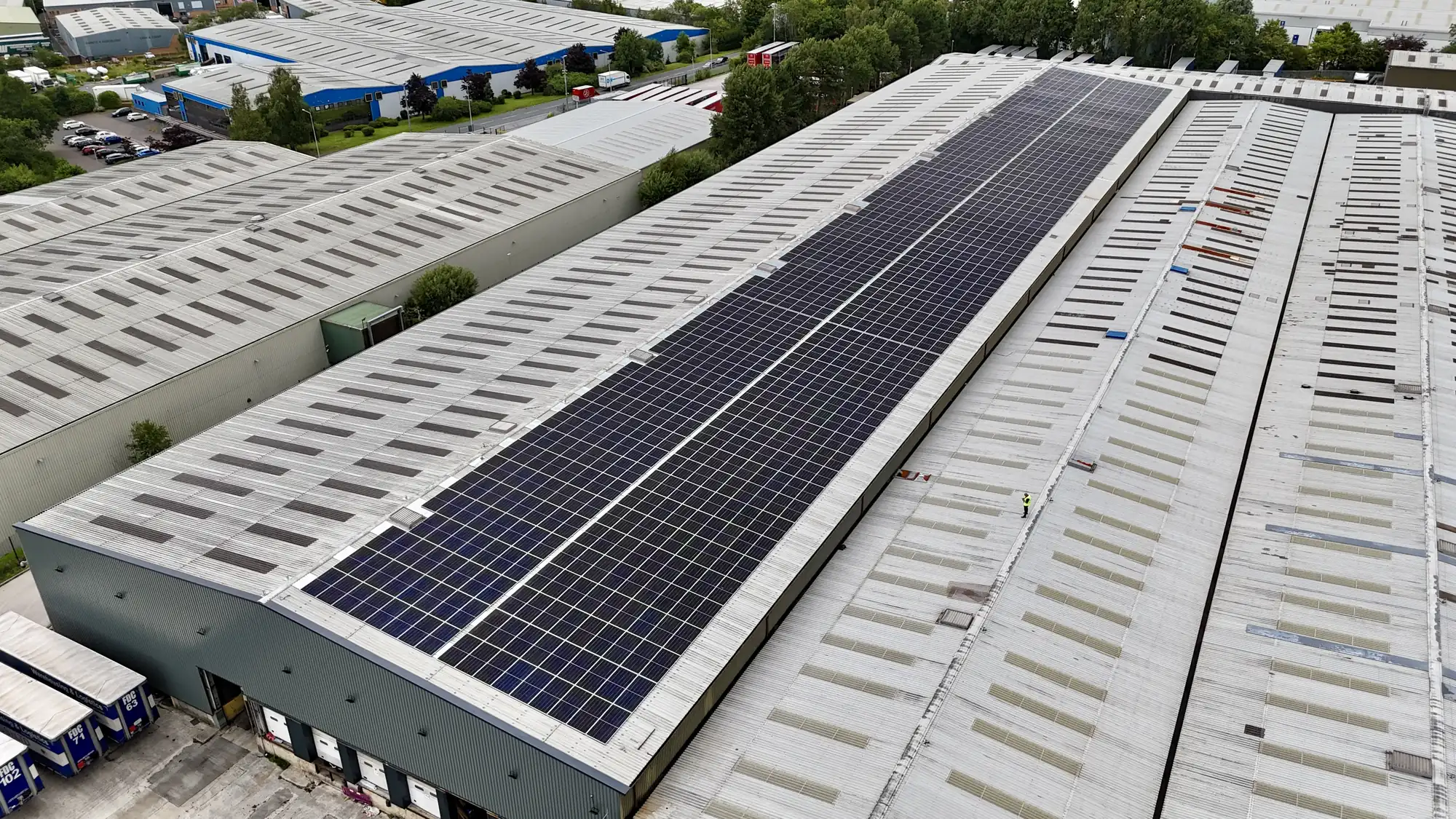
“Cornerstone delivered our 750 kW solar system, made our roof non-fragile and added a new roof line system, all on time, within budget and with our units fully occupied throughout. In the first year our electricity bills fell by 35%, and the export tariff they helped us secure means the power we don’t use is working for us too. We’re so pleased with the results that we’re now looking at battery storage with them. I’d recommend Cornerstone to any business thinking about solar.” Ian Mawdsley, Managing Director, FDC Holdings
Other ways solar can pay
Beyond bill savings and export income, solar may also qualify for tax relief through capital allowances. The rules change, so ask your accountant how they apply to your business. For farms and businesses in protected landscapes there are sometimes grants for wider projects, such as Farming in Protected Landscapes.
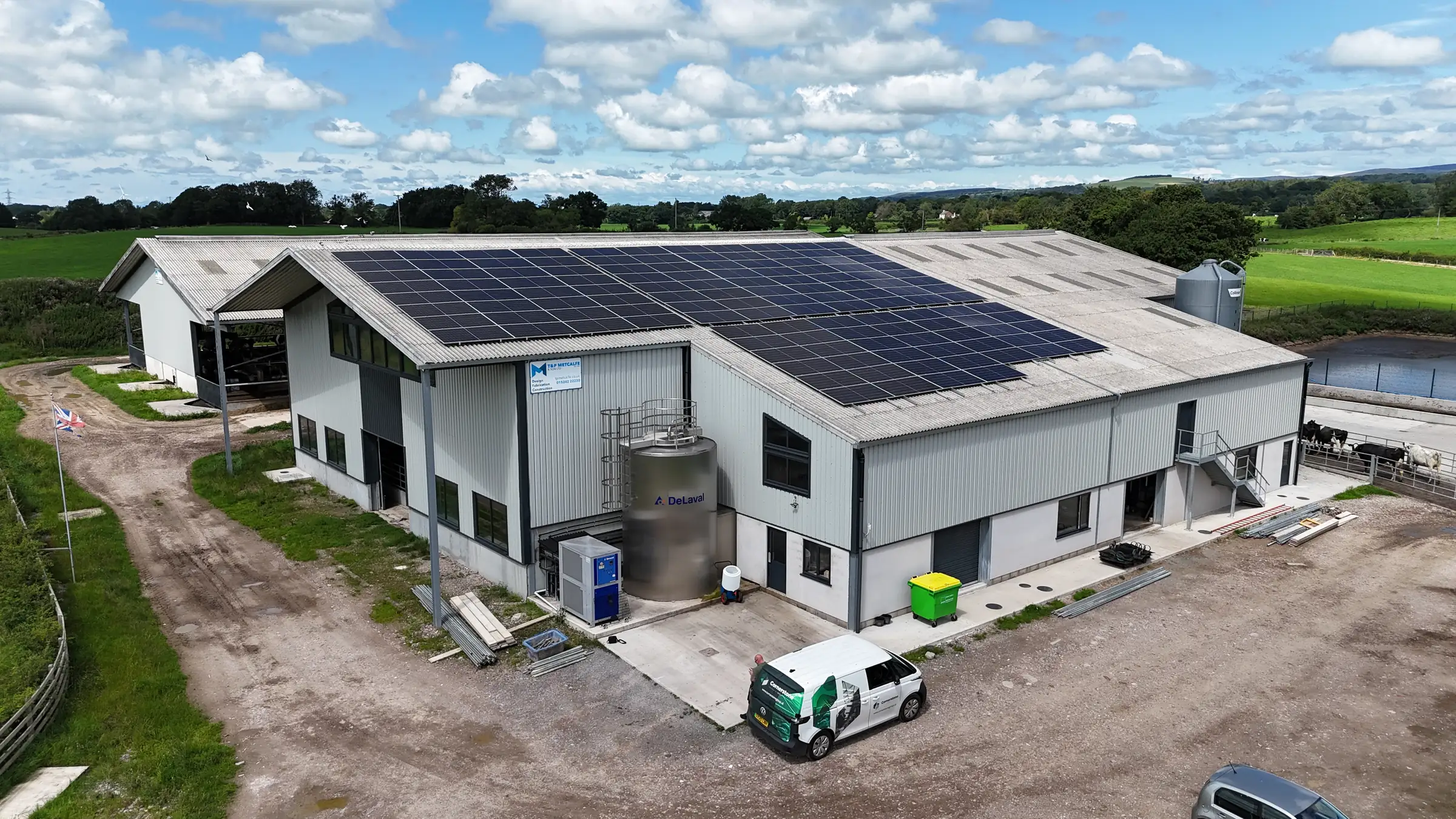
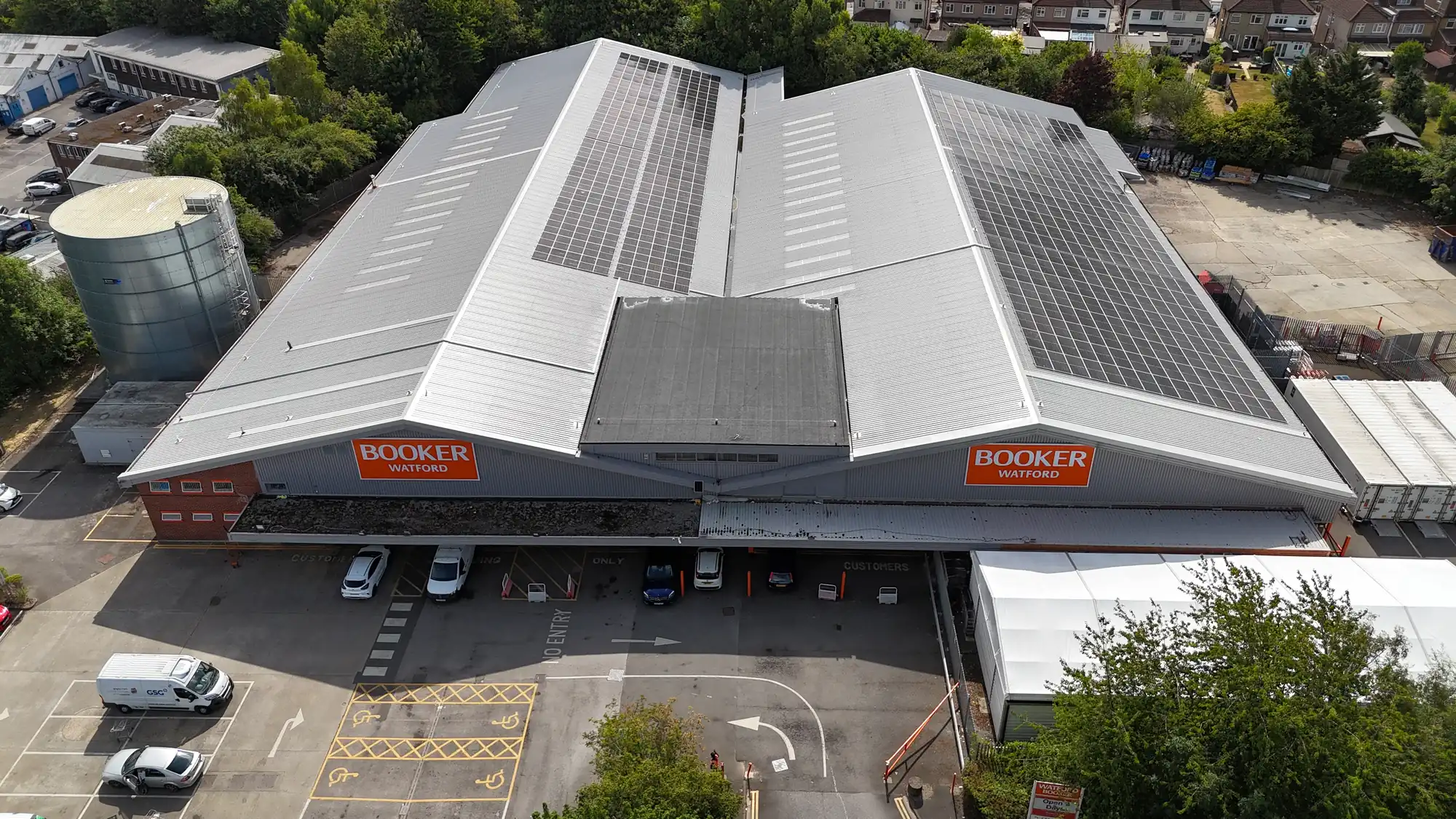
For real figures from our own projects, see Bilsborrow Hall Farm (75 kW, 3.3-year payback) and Booker Watford (334 kWp, 3.1-year payback), and our guide to commercial solar payback.
Want a proper solar model?
Send us your half-hourly data or bills and we will model your self-consumption, export and payback. Tell us about your building or call us free on 0800 011 9758.
This guide reflects the Smart Export Guarantee as we understand it in November 2026. Always check current rules with Ofgem and your chosen supplier.
Power your business with solar.
Our renewables team designs, installs and maintains commercial solar, storage and EV charging across the North West and the UK.