
A commercial roof survey tells you what condition your roof is really in, what is causing any leaks, and what it will take to put it right. It is the step that stops you paying for the wrong fix. This guide explains what a good survey covers, the techniques used, and what you should get at the end.
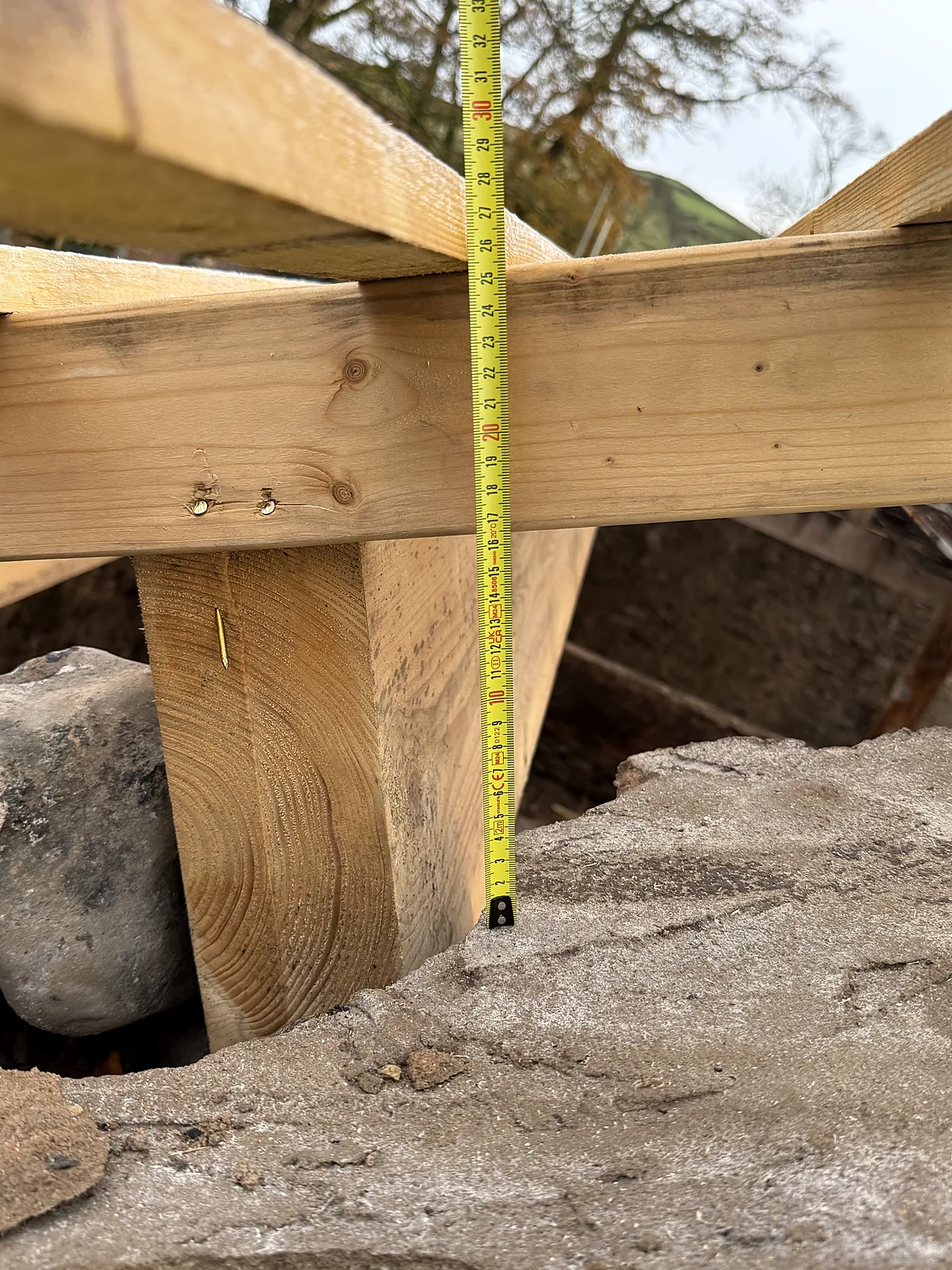
When you need a roof survey
- Leaks that keep coming back after repairs.
- Before buying, leasing or handing back a building.
- Before installing solar panels, to confirm the roof will outlast them and carry the load.
- When an asbestos cement roof is ageing, cracking or has fragile rooflights.
- When heating bills are high and you suspect the roof insulation is wet or missing.
- As a baseline for a planned maintenance programme.
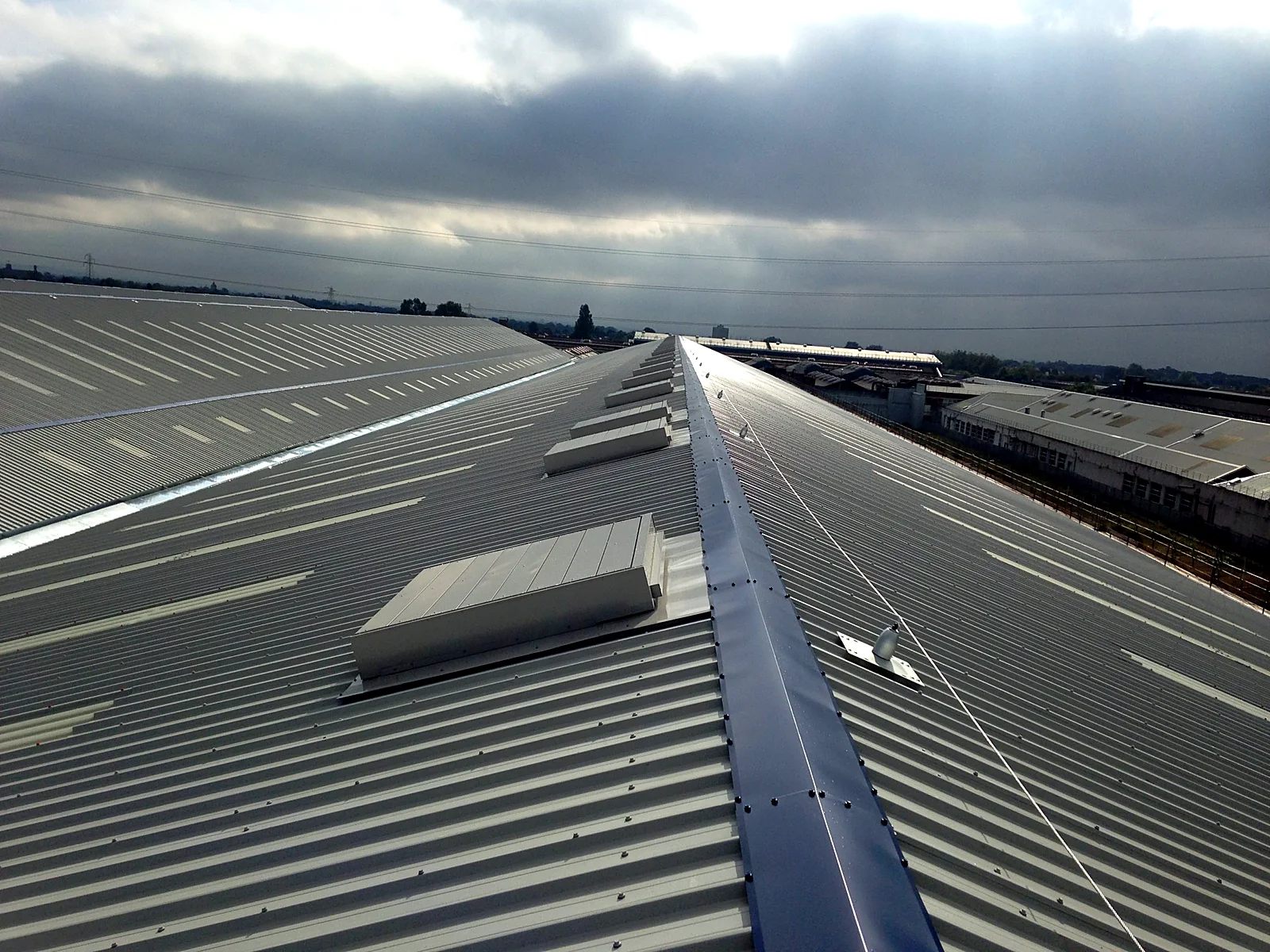
What a good survey covers
The covering itself
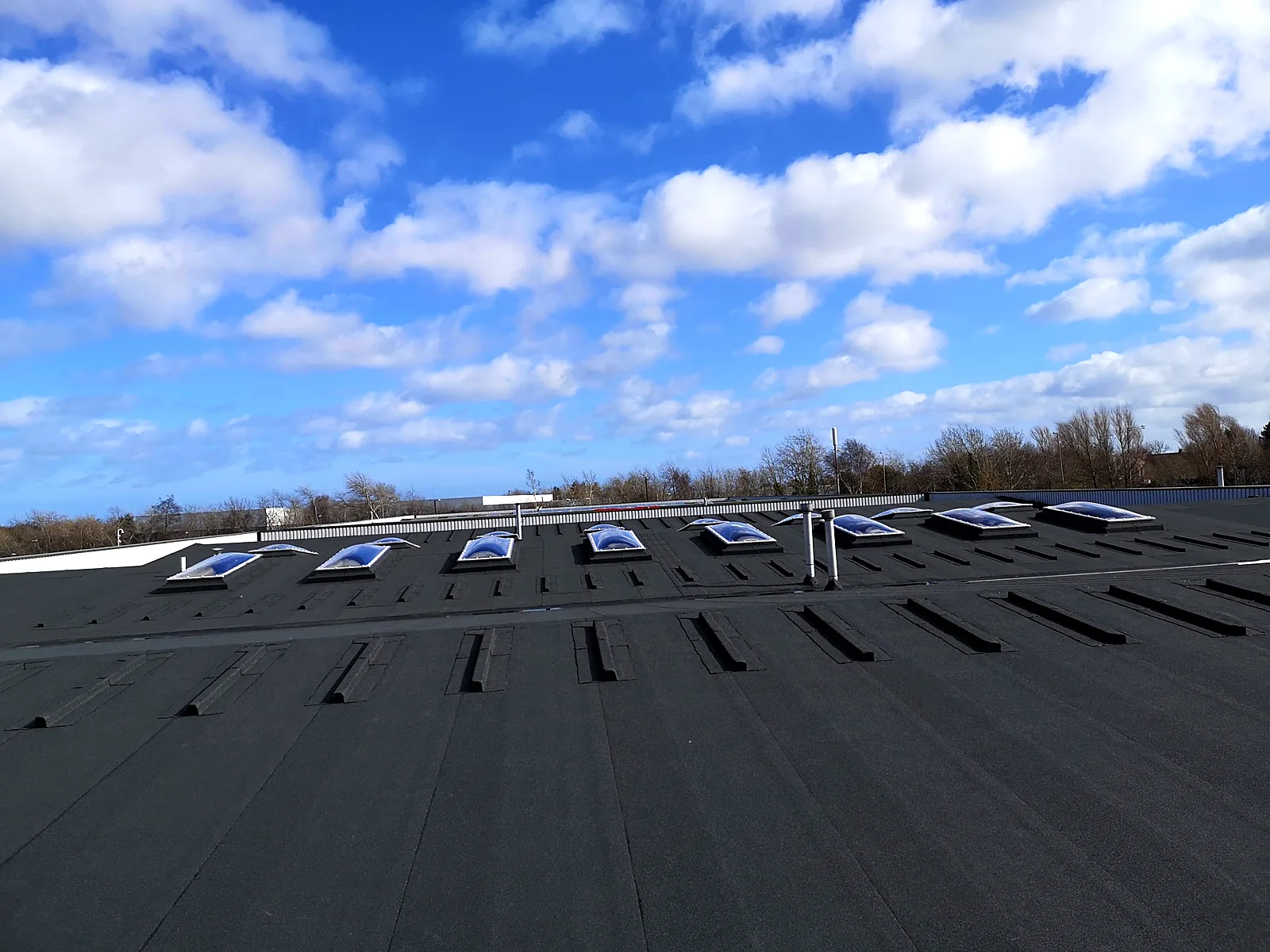
Sheets, membranes or felt are checked for splits, blisters, ponding water, corrosion, cut edge corrosion on metal sheets, and failed laps and seals. On asbestos cement roofs the surveyor notes cracking, moss and brittleness, and treats the whole roof as fragile.
Details where most leaks start
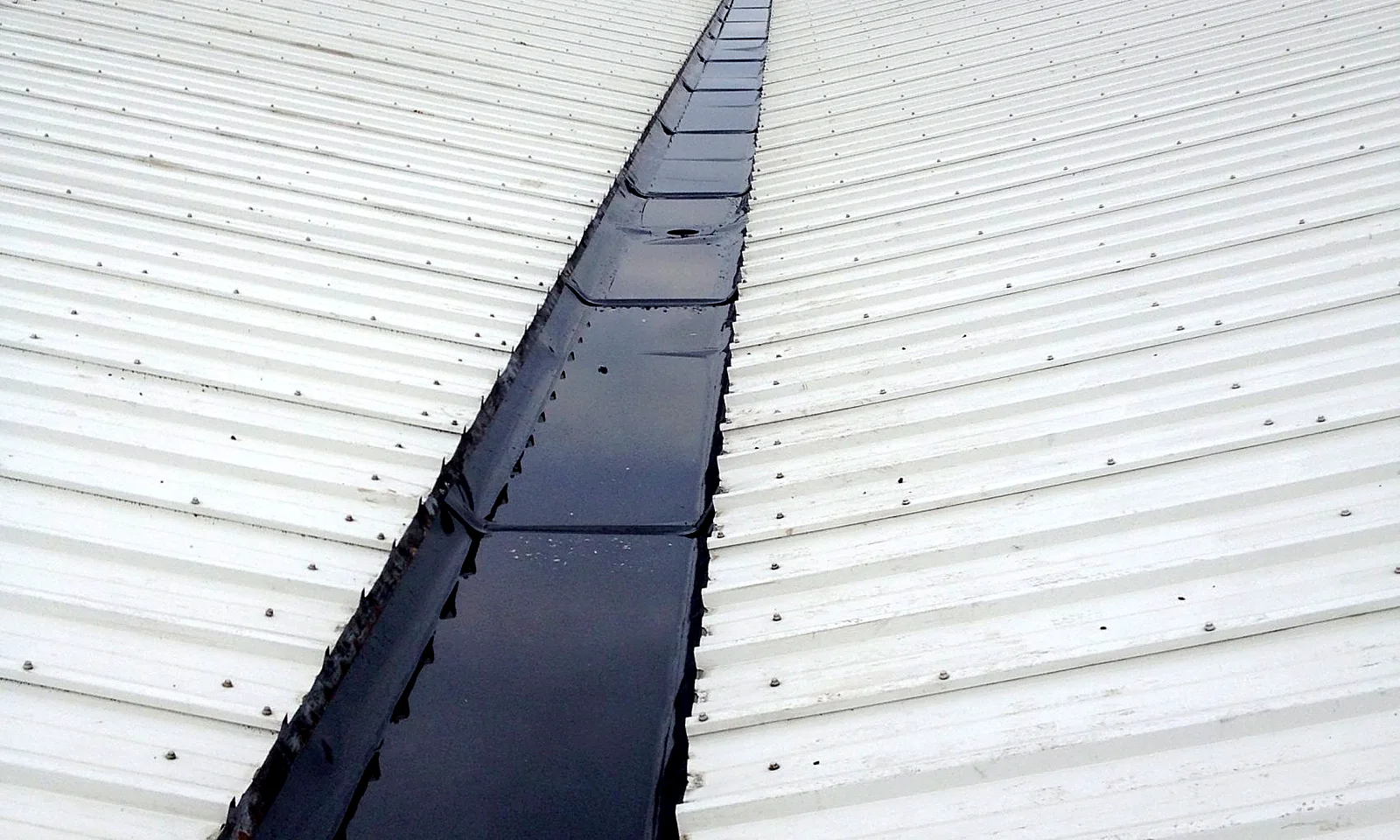
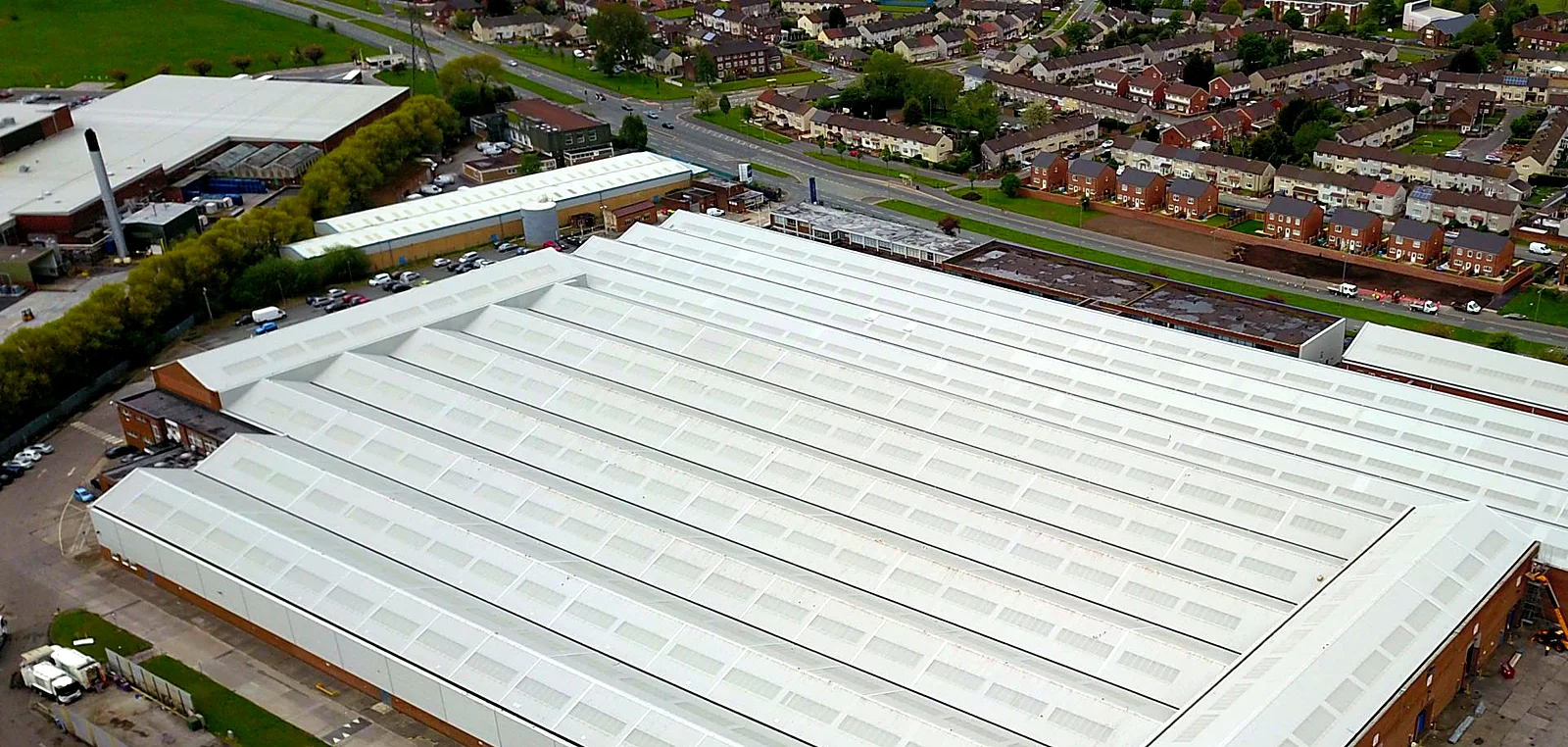
Gutters, outlets, valleys, flashings, upstands, rooflights and penetrations for vents and plant. Valley gutters on large industrial buildings are a frequent source of leaks, and can often be lined rather than replaced, as we did at Halewood International.
What is underneath
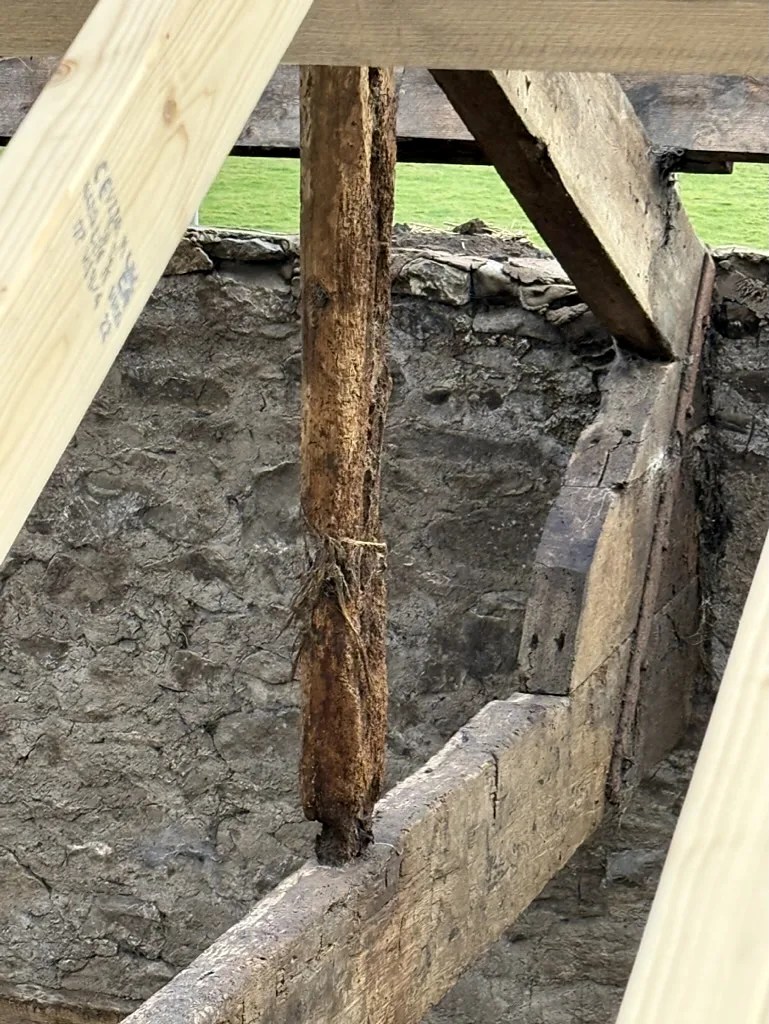
The condition of the deck, insulation and structure. This is where specialist techniques matter, because a roof that looks sound can hide wet insulation, and a wet roof cannot simply be overlaid.
Survey techniques
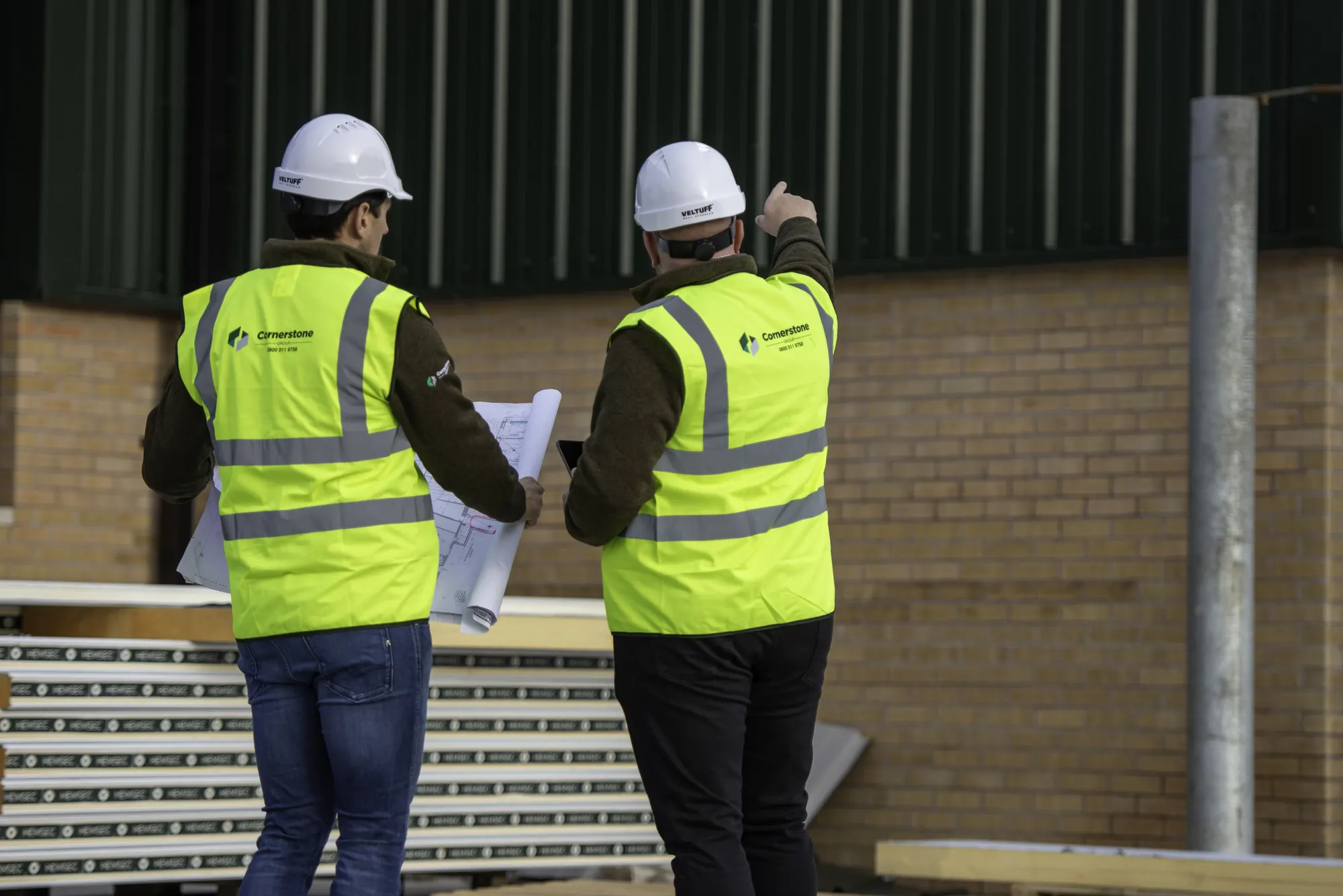
- Visual inspection from safe access, with photographs and measurements.
- Core sampling: small samples cut through the roof build-up to see the layers and test whether insulation is wet.
- Moisture mapping and thermal imaging to find trapped water across a large flat roof without opening it up.
- Drone surveys for an overview of large or hard-to-reach roofs.
- Asbestos sampling where the material is unknown, by accredited specialists.
On one 15,000 m² retail roof, moisture mapping and cores showed about 90% of the build-up was still dry. That meant most of it could be overlaid instead of stripped, saving the client a large share of the cost. Read the retail single-ply case study.
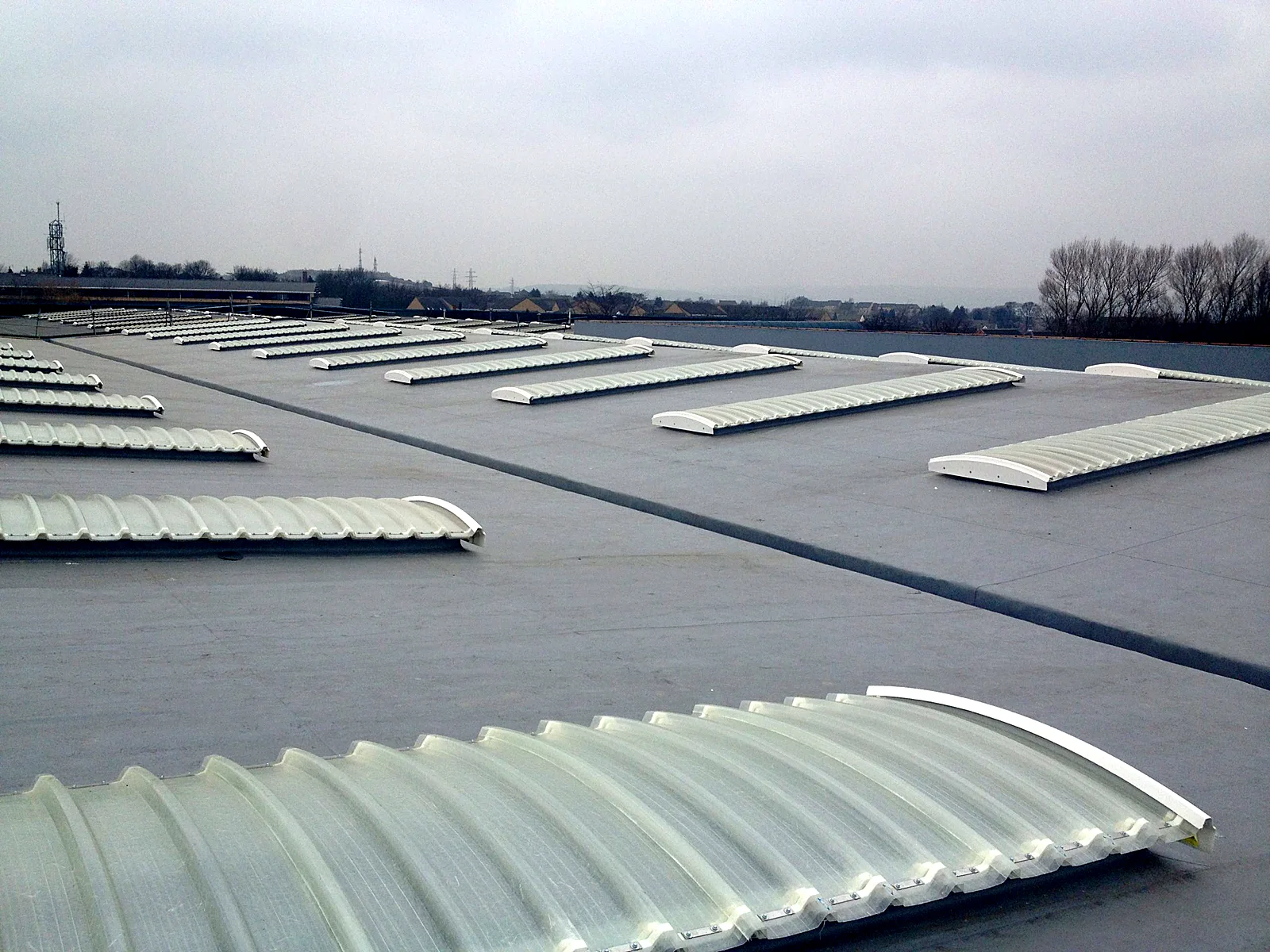
What surveyors look for
What you should get at the end
A useful survey ends with a written report, not just an opinion. It should include photographs, a plan of the roof marking problem areas, what is causing them, and clear options, usually repair, refurbishment or replacement, with the likely life of each and a budget. If you are planning solar, it should say whether the roof will last as long as the panels.
Safety comes first
Roof surveys are work at height. Fragile roofs, especially asbestos cement and old rooflights, are a serious fall risk. Surveys should only be carried out with proper access, edge protection or harness systems, and never by walking on a fragile roof.
Book a roof survey
We survey commercial and industrial roofs across Lancashire and the North West, and give you a clear report with options and prices. Tell us about your building or call us free on 0800 011 9758.
Power your business with solar.
Our renewables team designs, installs and maintains commercial solar, storage and EV charging across the North West and the UK.