
When a commercial roof starts to fail, there are three broad options: repair it, refurbish it, or replace it. The right answer depends on the roof’s condition, what is underneath, how long you need it to last and what else you plan to do with the building. This guide explains how to decide.
Repair
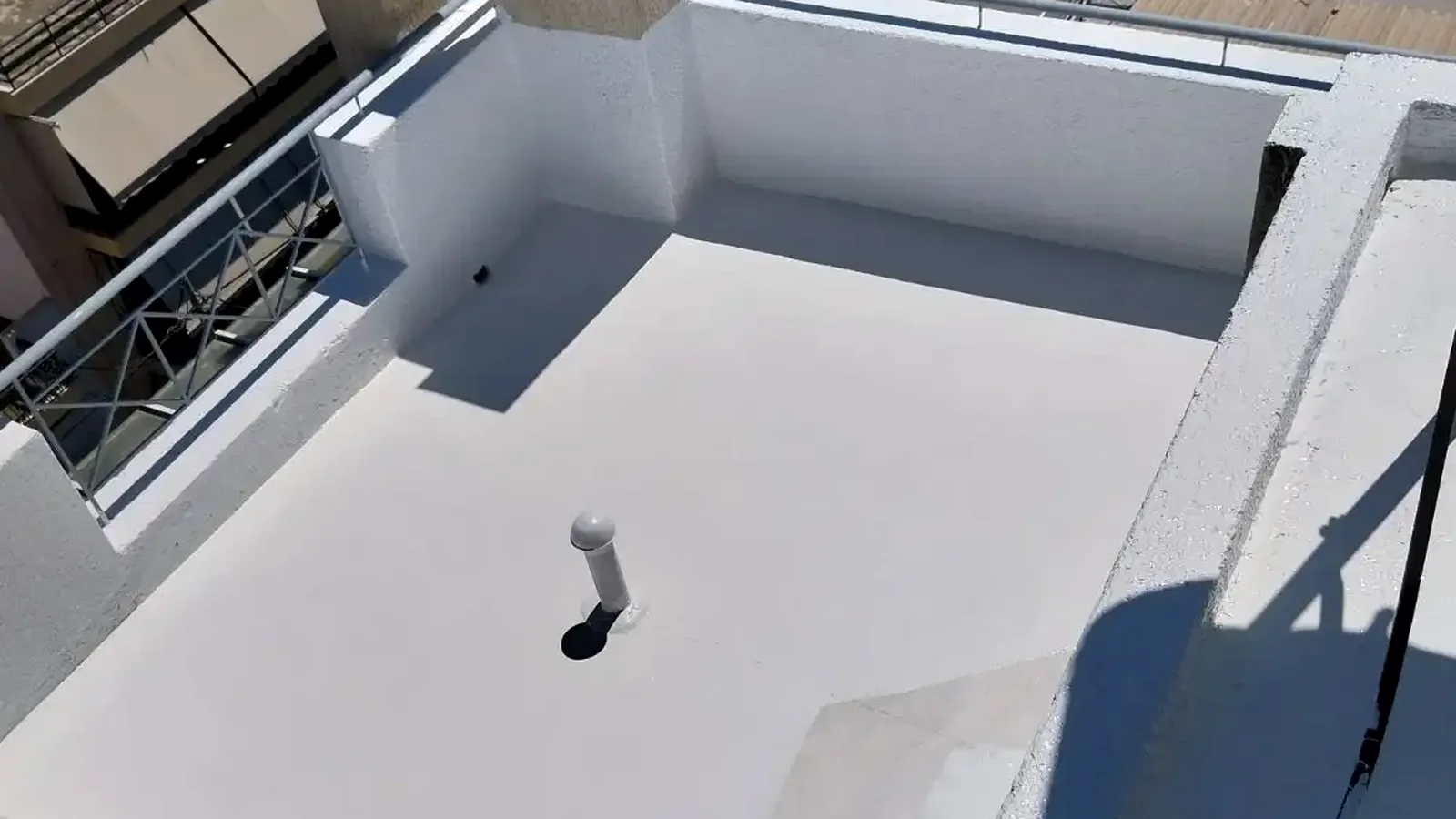
Targeted repairs fix specific defects: a split membrane, a failed flashing, a broken rooflight or a leaking gutter joint. They are the right choice when the roof is generally sound and the problems are local.
Choose repair when the covering still has years of life left, the leaks have a clear, local cause, and the insulation underneath is dry.
Be wary when the same areas keep leaking, repairs are getting more frequent, or the roof is close to the end of its life. At that point repairs often cost more over time than a proper refurbishment.
Refurbish
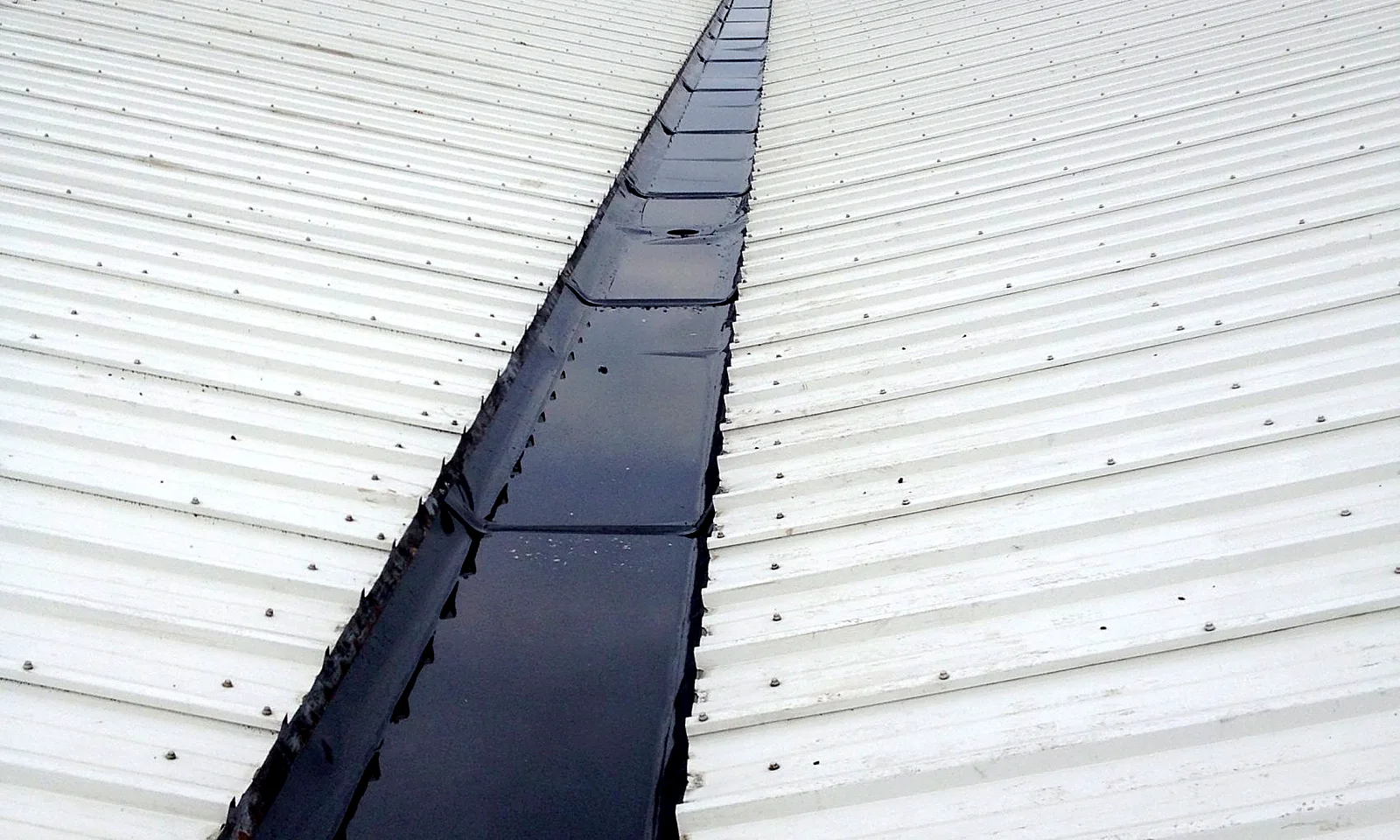
Refurbishment restores the whole roof without stripping it back to the structure. Common options are:
- Liquid-applied coatings and overlays on flat roofs and metal sheets.
- Single-ply or felt overlays over a dry existing build-up.
- Over-cladding metal or asbestos cement roofs with a new insulated sheet system.
- Cut edge corrosion treatment and new gutter linings on metal roofs.
Refurbishment is usually faster, causes less disruption and costs less than replacement, and many systems carry long manufacturer-backed guarantees. The key test is that the existing build-up is dry and the structure is sound, which is why a roof survey comes first.
Replace
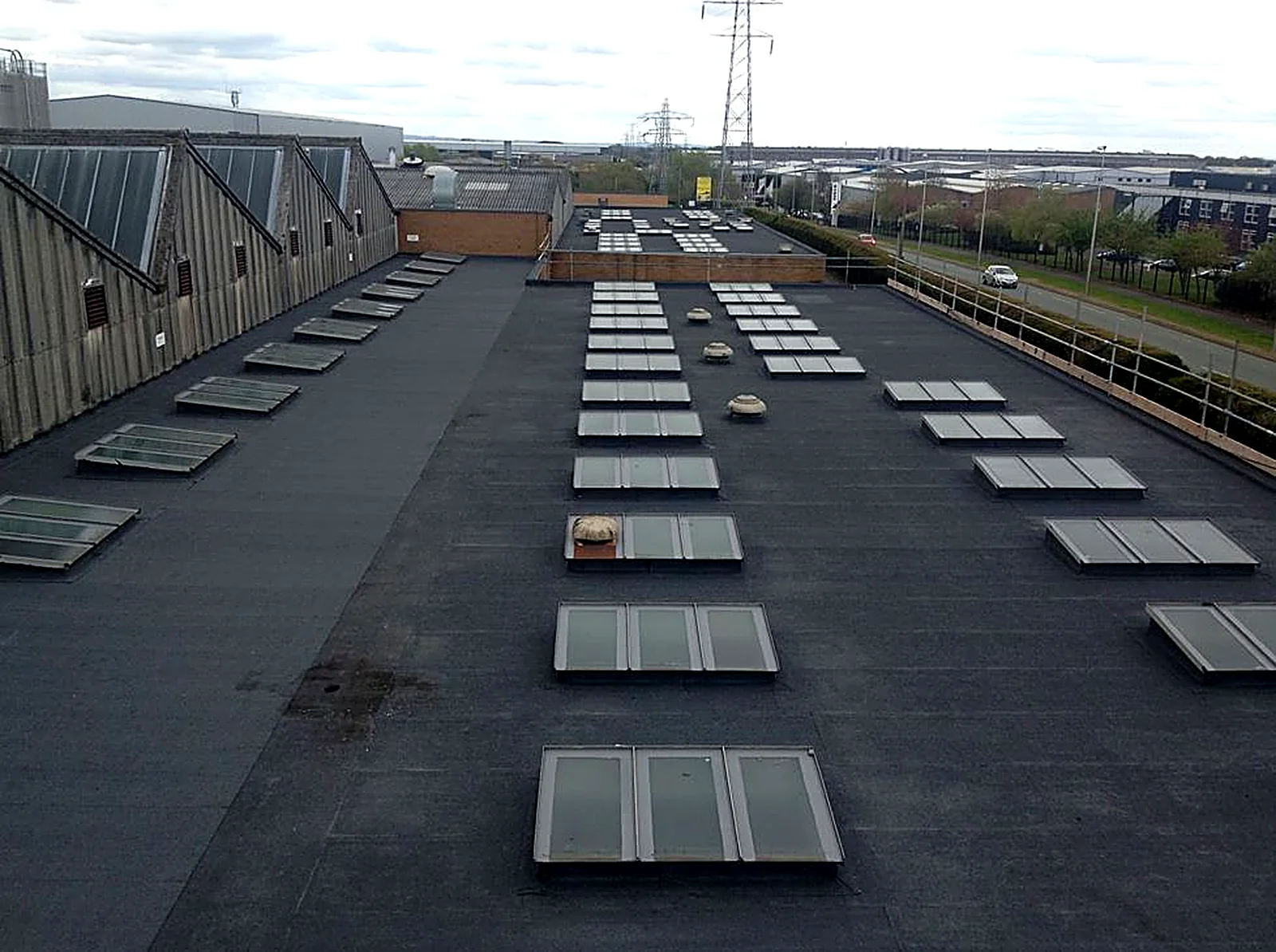
Full replacement strips the old covering and installs a new roof, usually with insulation brought up to current standards. It is the right answer when:
- the roof is beyond economic repair, with widespread corrosion, failed fixings or saturated insulation;
- it is an ageing asbestos cement roof you want removed from the building for good;
- you need much better insulation, more natural light or a roof strong enough for solar.
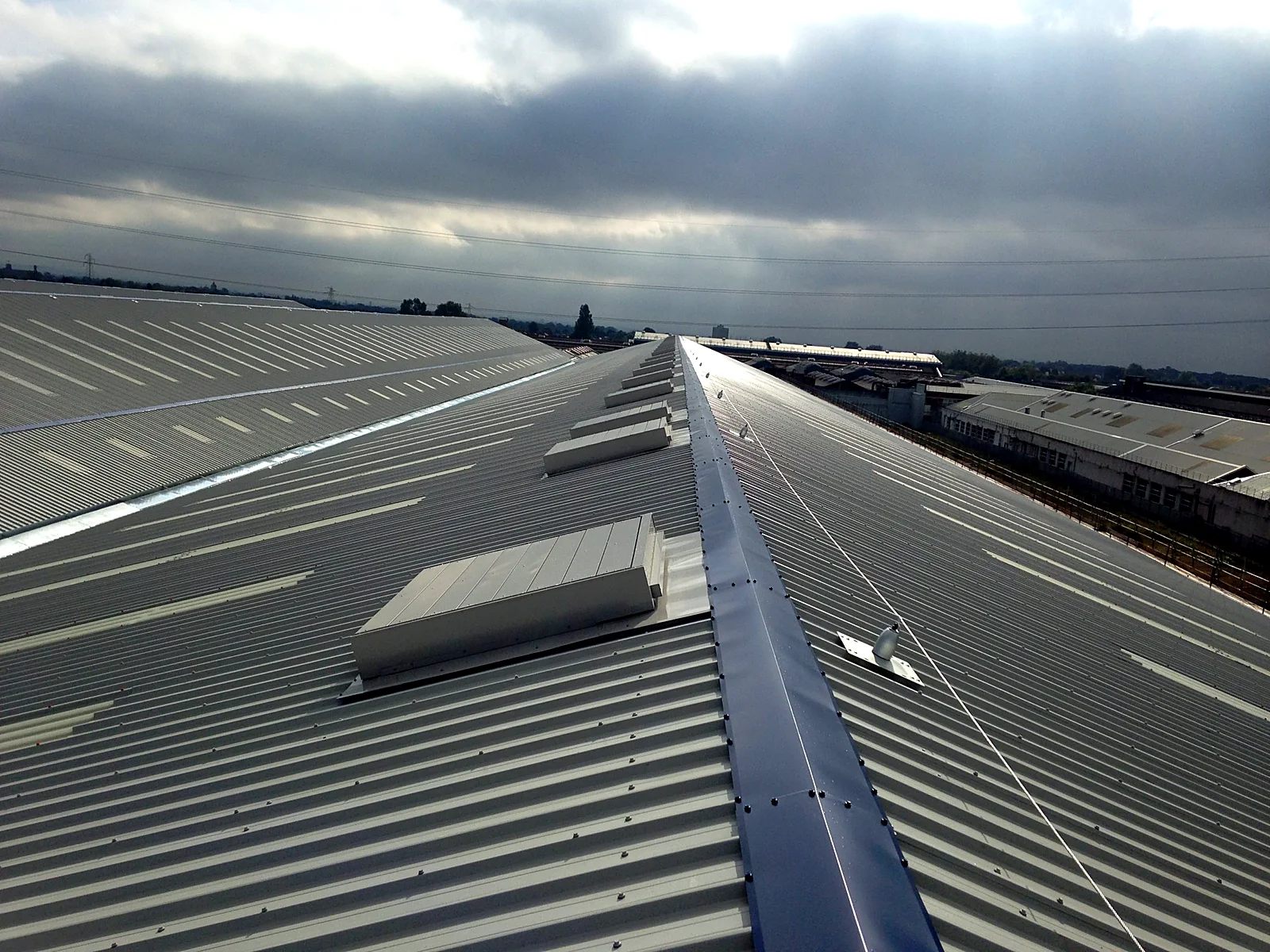
At Mono Pumps in Manchester, an original asbestos cement roof with failing wired glazing was replaced with a new 33,000 m² insulated metal roof and a long-term maintenance plan.
Options in practice
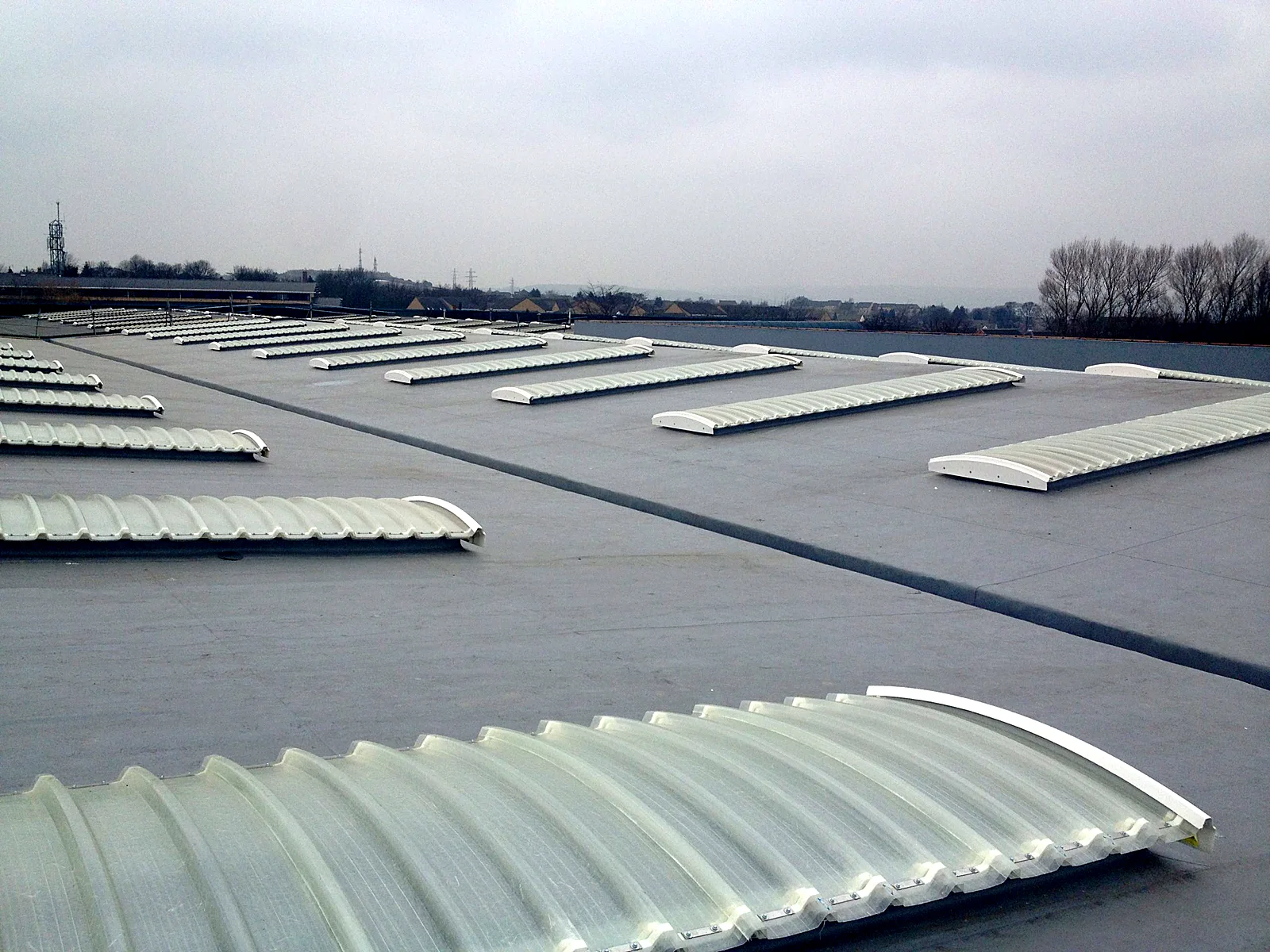
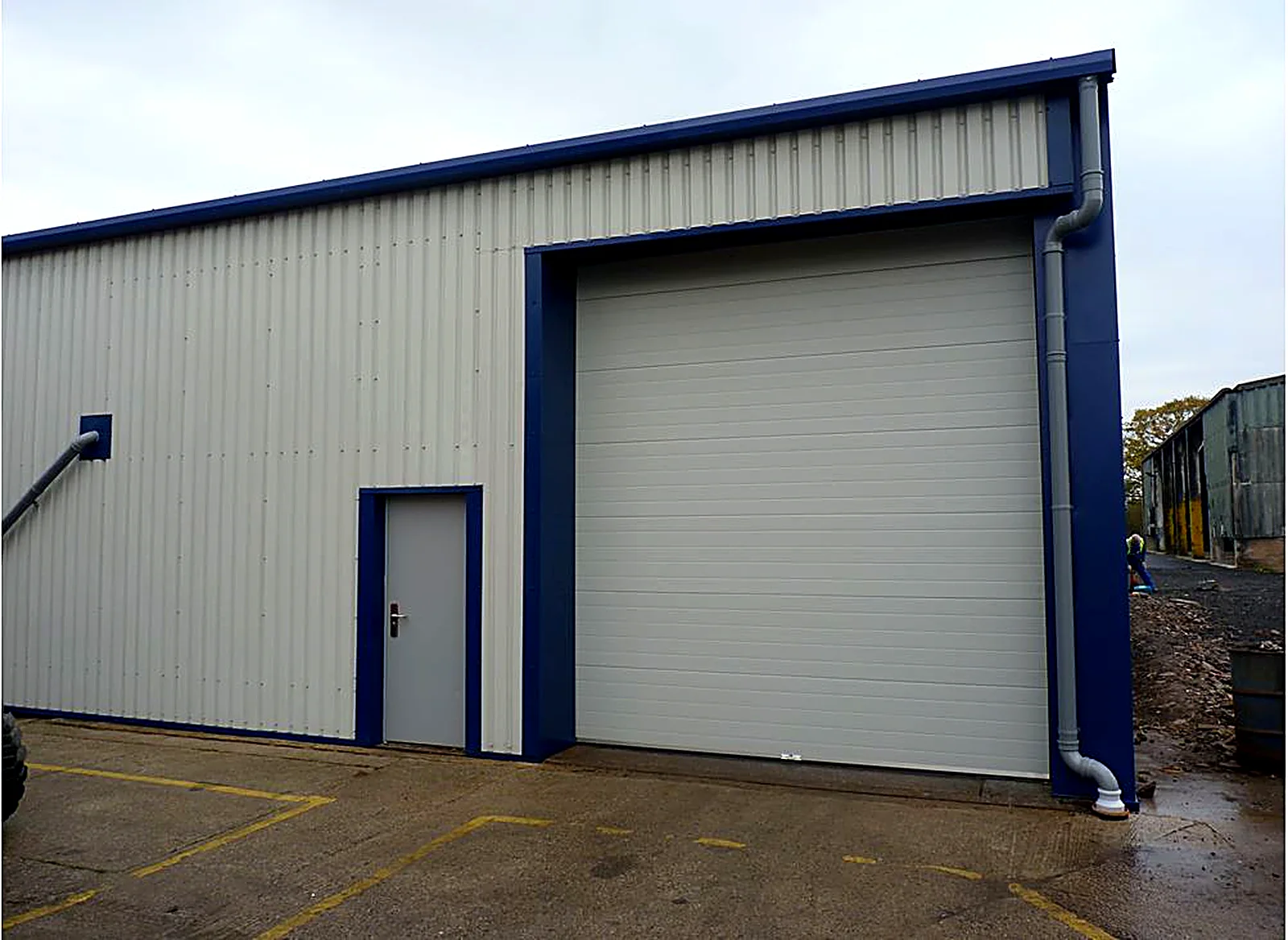
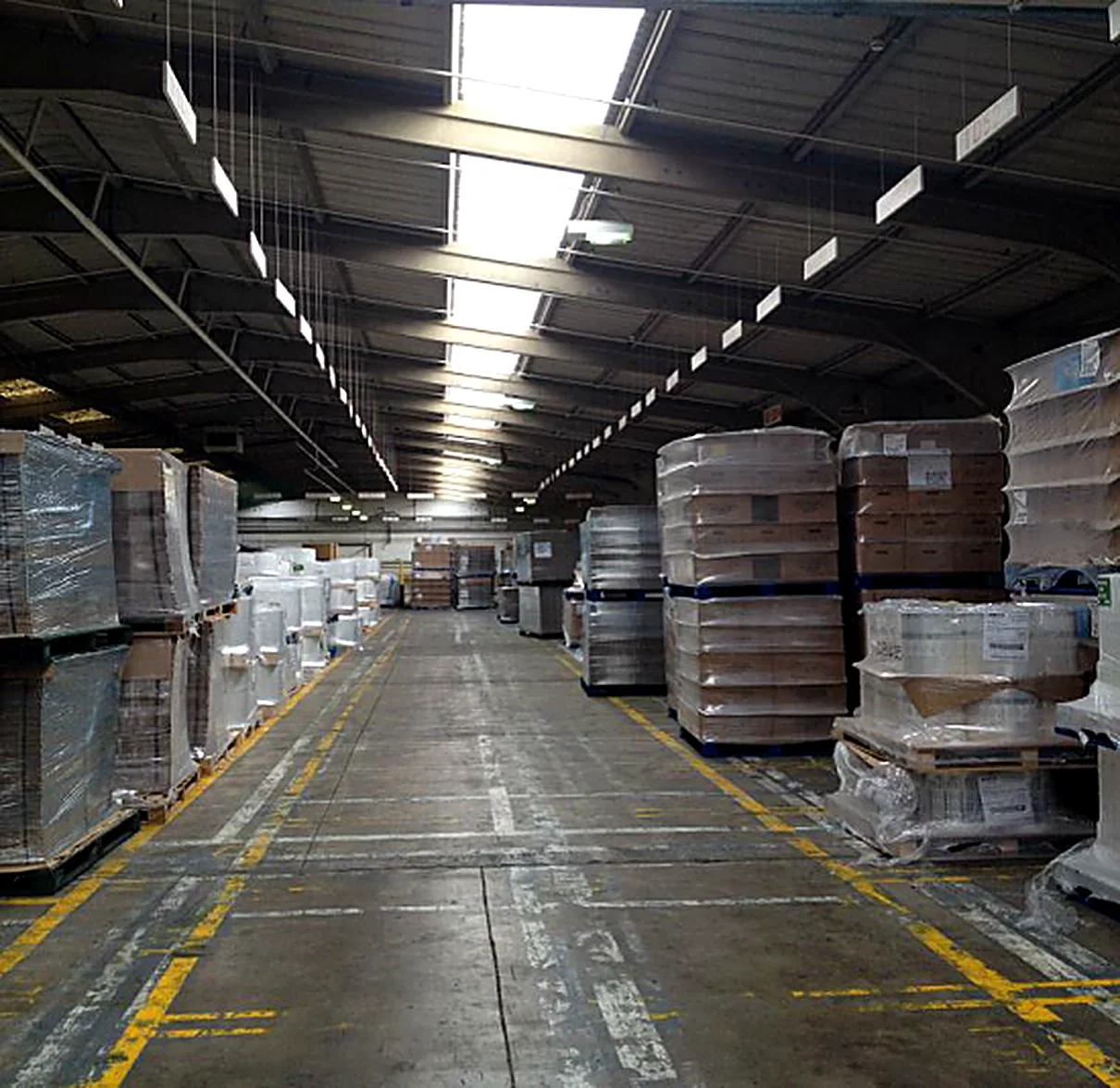
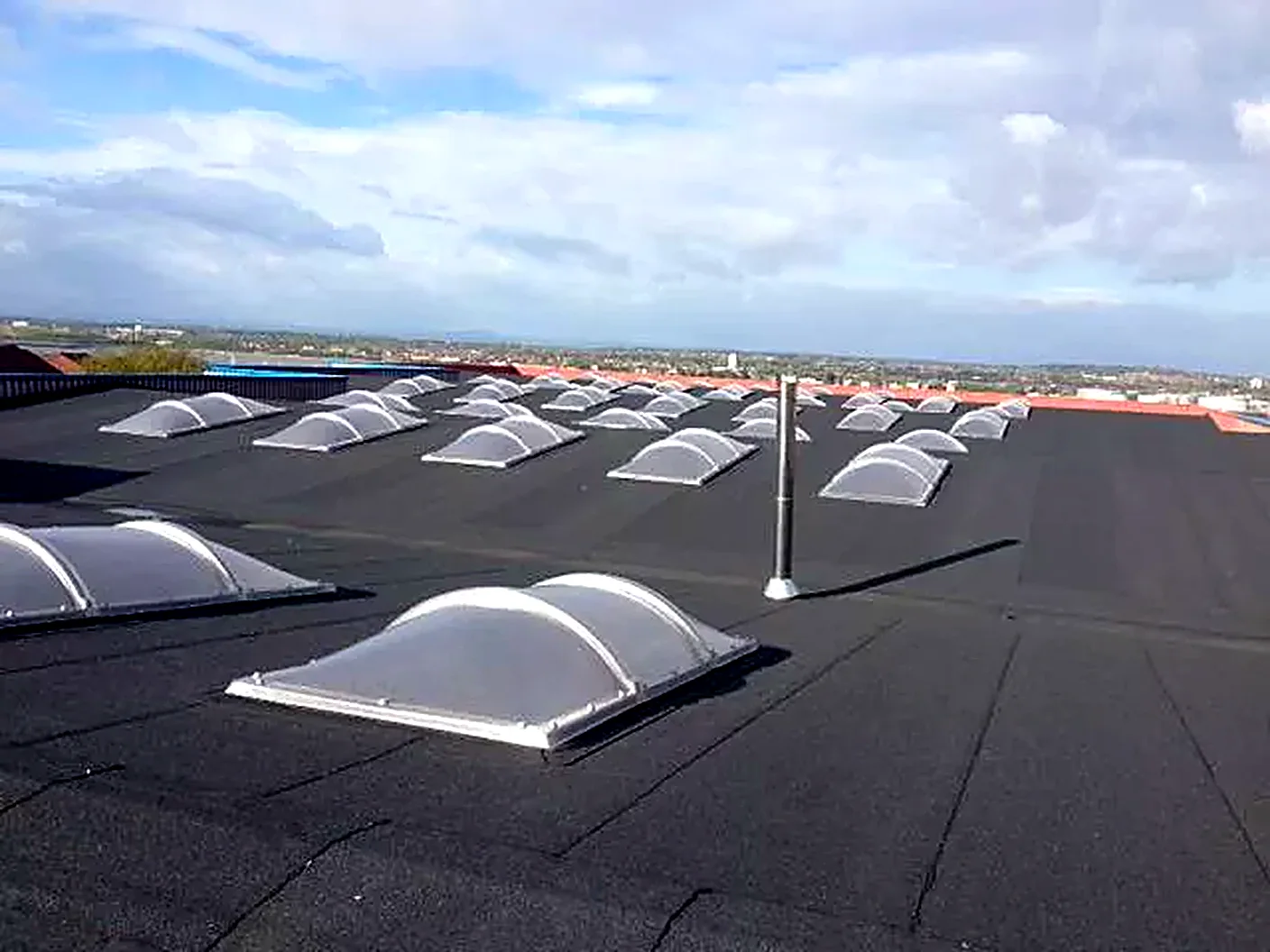
Thinking about solar?
If you plan to add solar panels, the roof needs to outlast them, which means 25 years or more. Refurbishing or replacing the roof first, or at the same time, avoids taking the panels off later. When we fit the roof and install the solar, both are covered by one combined 30-year warranty. Our guide to re-roofing before solar explains more.
A quick way to decide
- Local defects on a sound, dry roof: repair.
- Tired but dry roof with a sound structure: refurbish.
- Wet insulation, failed structure, asbestos or solar plans: replace, or refurbish only if a survey confirms it will last.
Not sure which option you need?
We survey the roof, explain what we find and price each option, so you can choose with confidence. Tell us about your building or call us free on 0800 011 9758.
Power your business with solar.
Our renewables team designs, installs and maintains commercial solar, storage and EV charging across the North West and the UK.