
Many industrial and agricultural buildings still have their original asbestos cement or cement-fibre roof sheets. As those roofs age they become fragile, leak and make any future work harder, including adding solar. This guide sets out the main options for ageing asbestos cement and fragile roofs, how safety is managed, and how a new roof can be combined with solar.
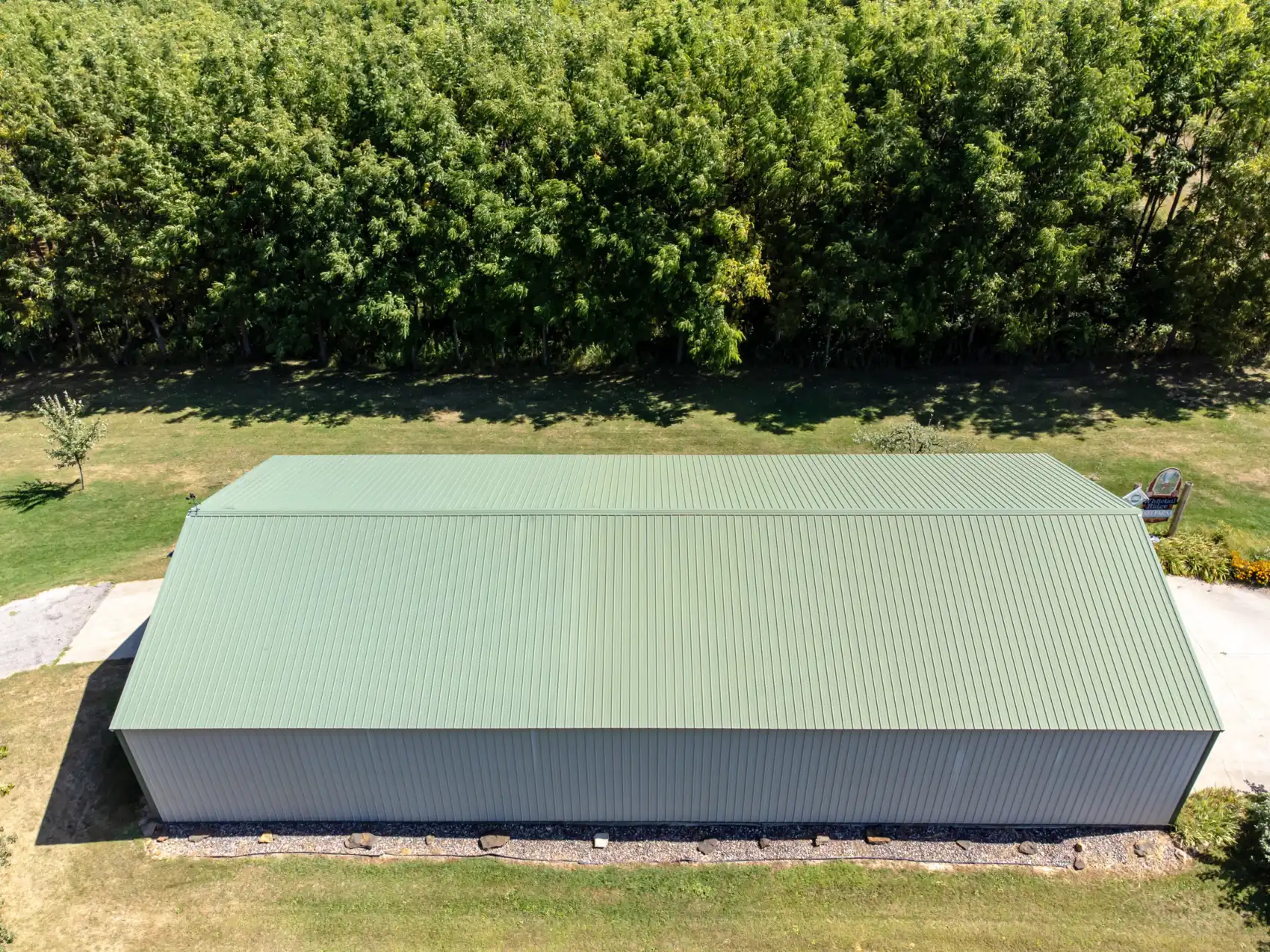
Start with a survey
Asbestos fibres are invisible to the naked eye, so a commercial roof must be properly tested before any work. Asbestos should only ever be handled by an approved, licensed installer. The first step is always an asbestos survey and identification, which tells you what the roof is made of and informs the safest approach. Our asbestos cladding service covers survey, licensed removal and safe disposal.
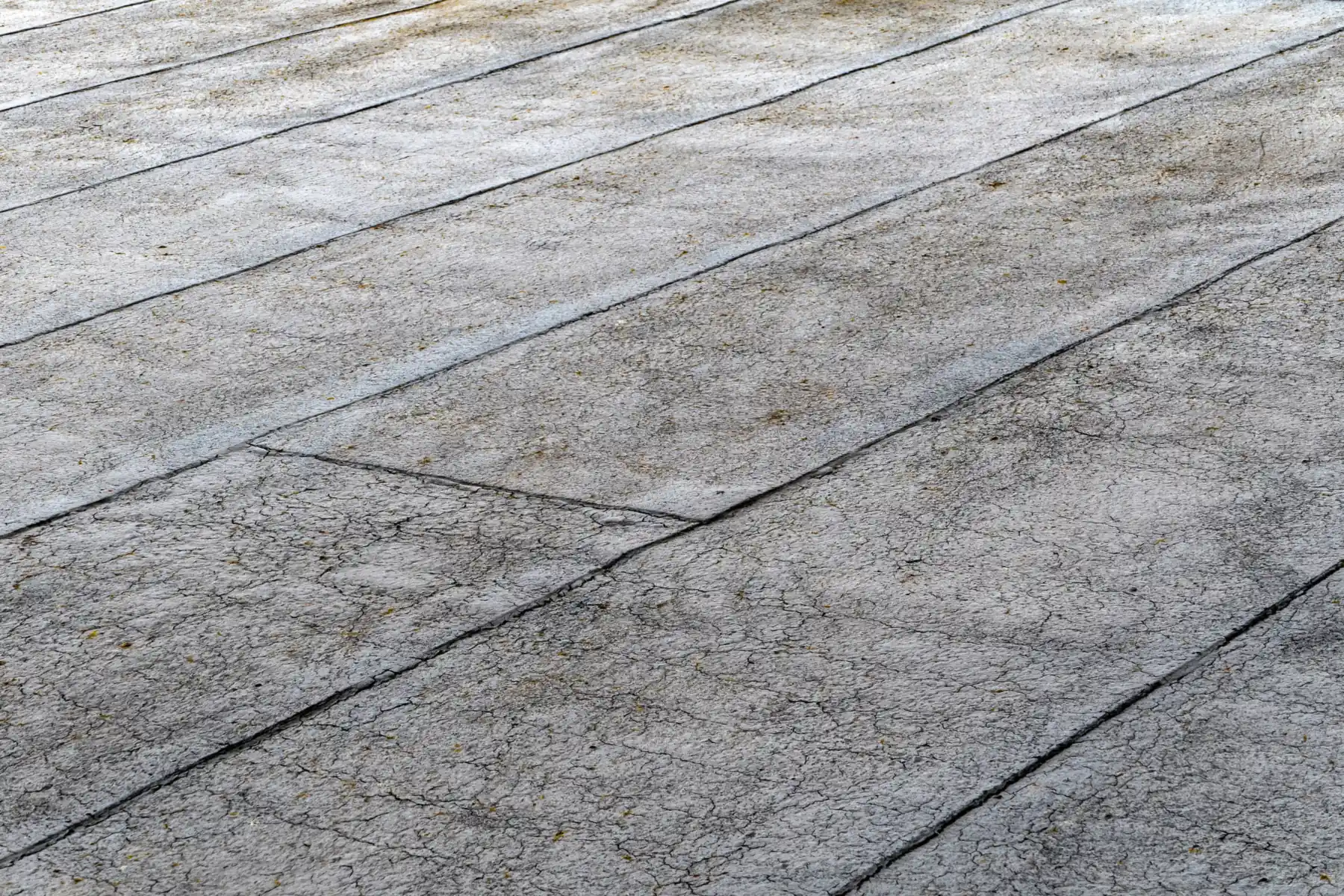
Option 1: removal and replacement
Where the roof is beyond saving or the building is being upgraded, the asbestos sheets can be removed and replaced with a new roof. We survey, remove and licence-dispose of asbestos safely, keeping disruption to your operations to a minimum, then install replacement cladding.
A full strip and renewal gives you a completely new roof. Our roof cladding team installs twin-skin, composite and single-skin anti-condensation systems, with metal cladding in steel, aluminium, copper and zinc.
Option 2: over-cladding
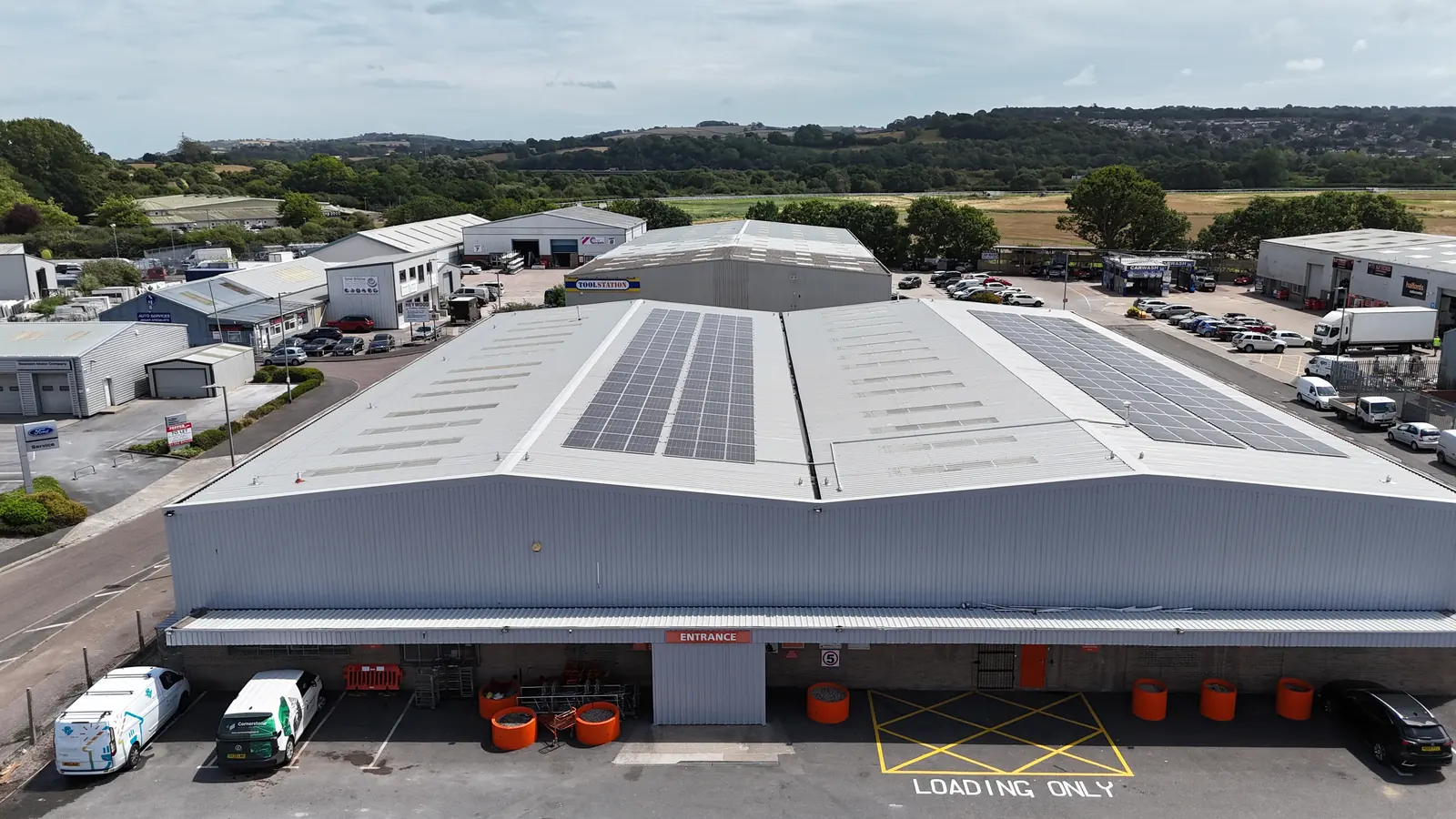
Where removal is not the right call, over-cladding can isolate and seal the affected areas instead. Rather than stripping and re-cladding, a new layer of insulation and roof sheeting is installed over the existing structure.
Over-cladding an asbestos roof is a cost-effective refurbishment process. It minimises disruption on site and avoids the costly disposal of existing asbestos roof sheeting to licensed landfill. It is a good option where budget or site disruption are concerns.
What an overclad system includes
- Insulation to current warm-roof regulations for improved thermal efficiency.
- Existing or new rooflights renewed to maximise natural daylight.
- A 0.7mm outer roofsheet.
- Step-safe rooflights and roof-line systems for safe future maintenance.
Option 3: encapsulation
Encapsulation is another way to deal with asbestos where removal is not the better option. Which approach suits your building depends on the survey findings, the condition of the roof and how the building is used. We will talk you through the options once we know what you have.
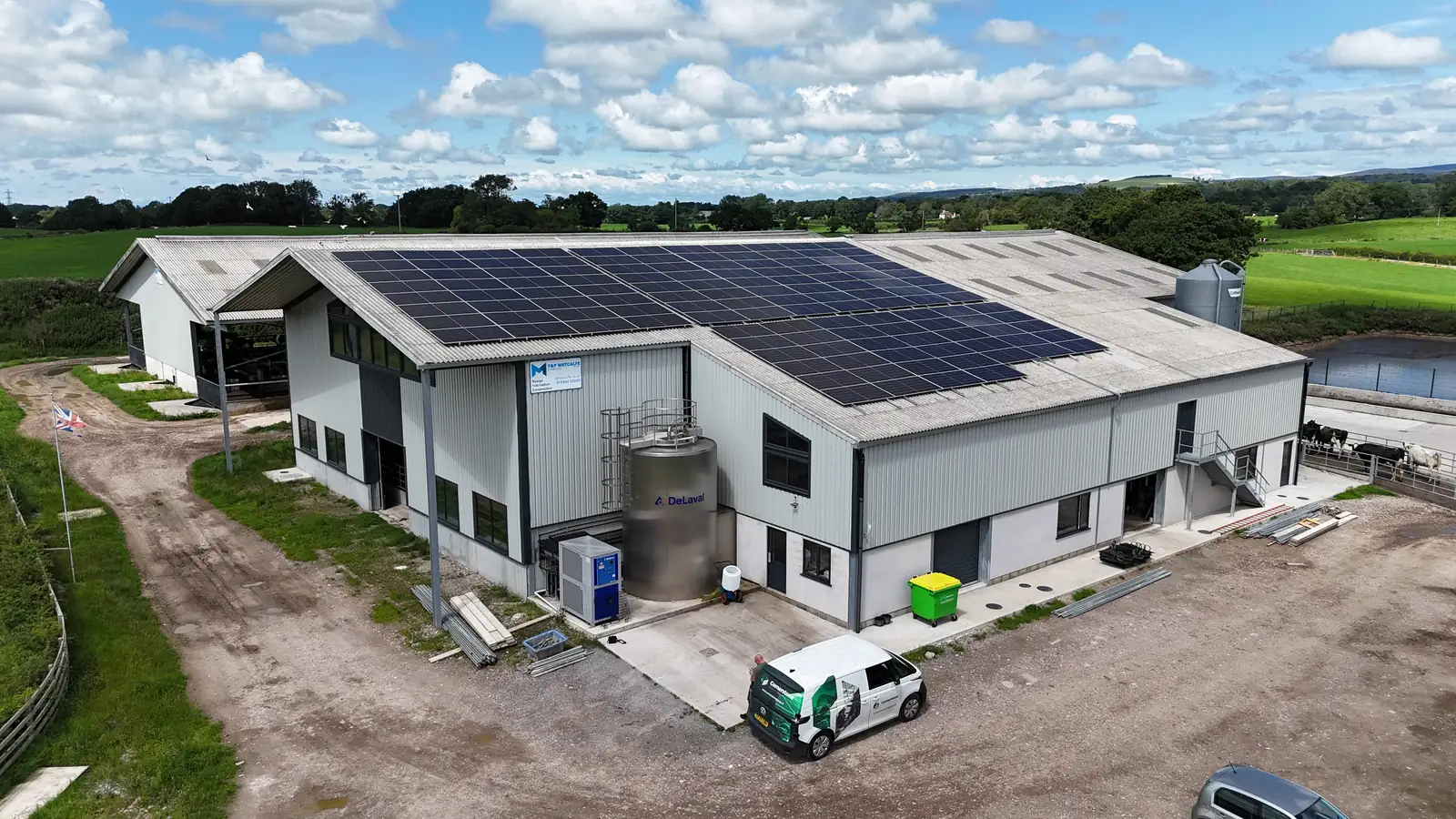
Working safely on fragile roofs
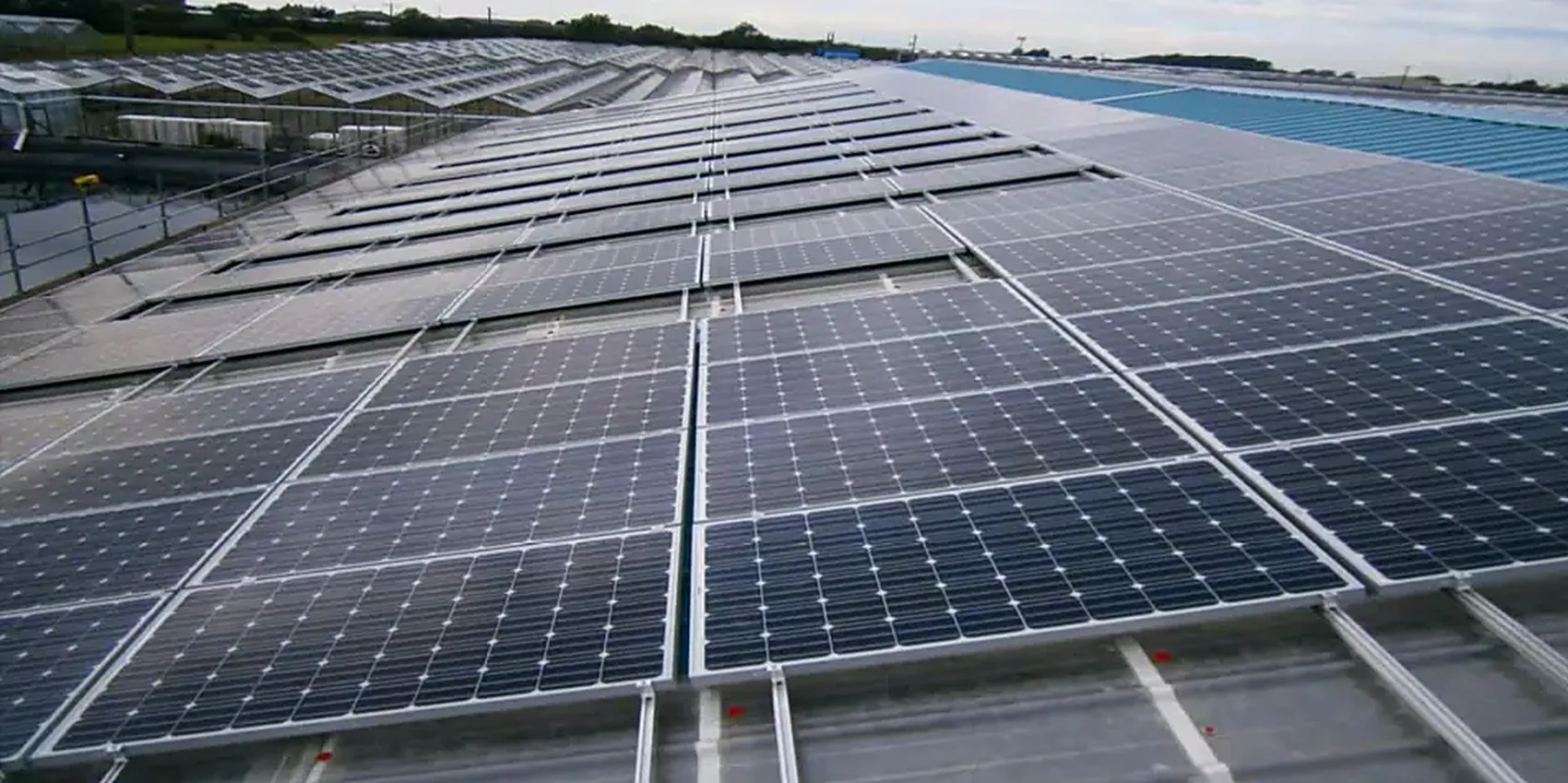
Fragile roofs bring two safety problems: the risk to people working on them and the risk to the operation underneath. At Lovania Nurseries, traditional installers could not work across an ageing, fragile cement-fibre packing-house roof, and with machinery running directly below there was real concern that falling debris would disrupt operations. Our roofing and solar divisions devised an out-of-hours roof replacement schedule that created a secure base for the panels, with no disruption to the nursery.
Every job starts with planning access, protecting the space below and agreeing how the site keeps running. Health and safety and CDM management are built into how our project management team runs each job.
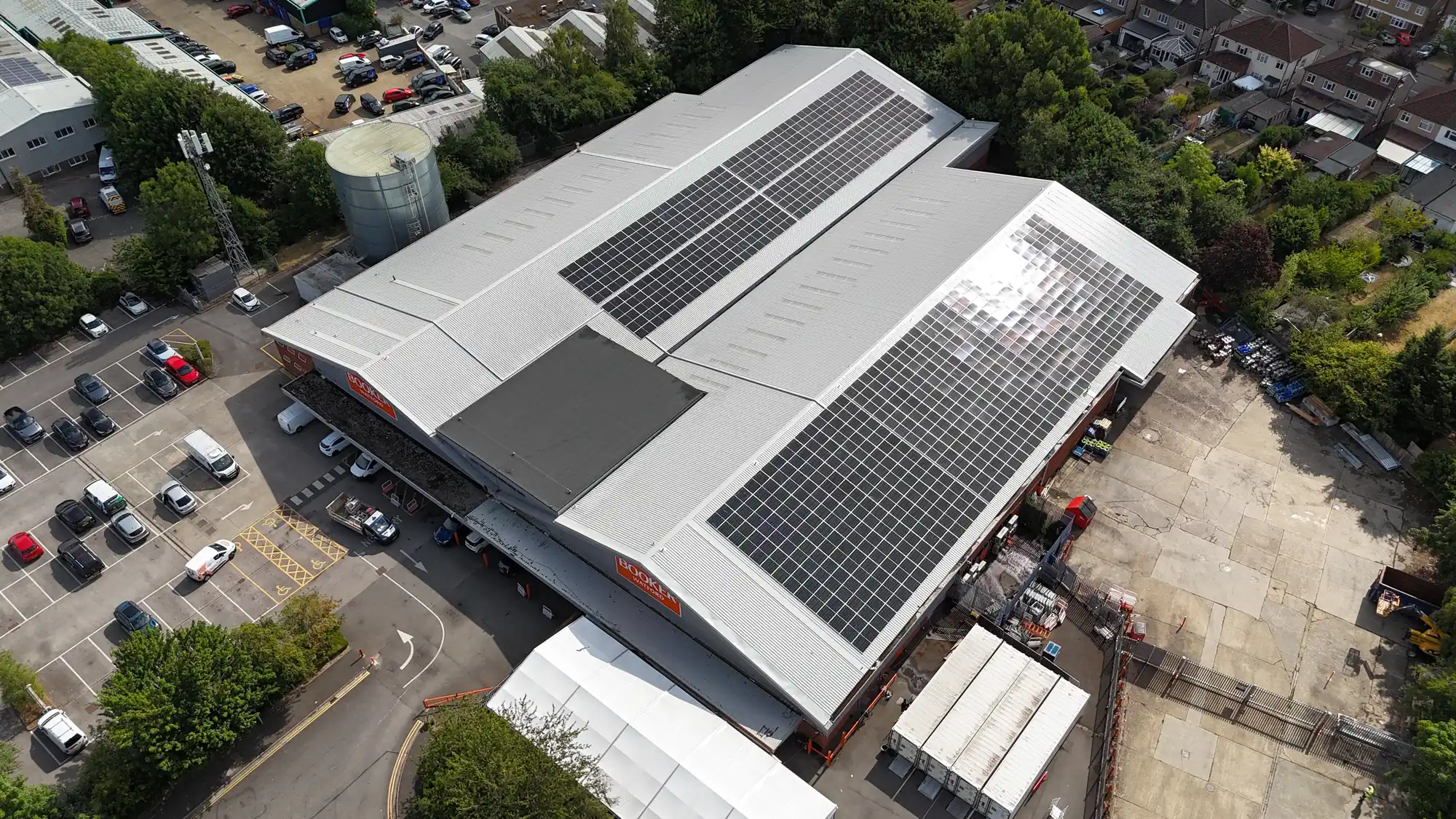
Combining a new roof with solar
An old asbestos cement roof is rarely a good base for a solar array that is designed to generate for 25 years and more. Replacing or over-cladding the roof first, then installing solar on the new surface, avoids having to remove the panels later. It is also the most efficient way to do the work: our roofing and energy teams plan together, sharing access and scaffolding instead of mobilising twice.
When Cornerstone fits your new roof and installs your solar, both are covered by a single combined 30-year warranty from Cornerstone.
That warranty applies when Cornerstone fits the roof and installs the solar system; ask us for the full terms. For more on sequencing, read should you re-roof before installing solar. To see how the numbers work, our guide to commercial solar payback explains what drives the return, and we can fold roof and solar costs into a single finance package offset from day one by your energy savings.
Which option is right for you?
- Removal and replacement suits roofs that are beyond saving, or projects where you want a completely new roof.
- Over-cladding suits sites where budget or disruption are the main concerns and the structure can carry a new layer.
- Combined roof and solar suits businesses that want to cut energy costs and deal with the roof at the same time.
For farm buildings, see our page on solar for farms and agriculture, where roof-mounted solar on sheds and barns is usually the most cost-effective starting point.
Talk to us
We offer free site surveys and asbestos cladding services nationwide. Tell us about your roof and we will advise on the safest approach. Tell us about your site or call us on 0800 011 9758.
Power your business with solar.
Our renewables team designs, installs and maintains commercial solar, storage and EV charging across the North West and the UK.